

Barnyard Mix up to 1 week old,
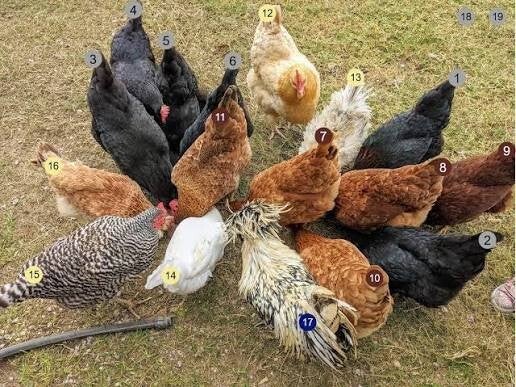
A "barnyard mix" (sometimes called a mutt chicken or yard blemish) isn't a recognized breed. Instead, it is a chicken that results from accidental or intentional cross-breeding in a free-ranging, multi-breed flock. When you have a rooster of one breed running around with hens of several other breeds, the resulting offspring are barnyard mixes.
Because their genetics are a roll of the dice, they are incredibly diverse, unpredictable, and often surprisingly resilient.
Here is a breakdown of what characterizes a barnyard mix:
1. Visual Appearance (The Ultimate Surprise)
There is no standard "look" for a barnyard mix. You might get a bird with the classic striped feather pattern of a Barred Rock, but with the poofy crest of a Polish, or the extra toes of a Silkies.
-
Feathers: They can come in any color combination imaginable—speckled, laced, solid, or completely unique multi-colored patterns.
-
Body Shapes: Depending on the parents, they can range from small and sleek to heavy and dual-purpose. You might see muffs, beards, feathered legs, or naked necks show up out of nowhere.
2. Egg Laying and Shell Colors
Just like their looks, their egg-laying capabilities are a surprise package. If a heavy meat breed crosses with an excellent layer (like a Leghorn), the offspring might be a stellar, highly efficient layer.
-
The Rainbow Basket: One of the biggest perks of barnyard mixes is egg color. Crossing a blue-egg layer (like an Ameraucana) with a dark brown-egg layer (like a Marans) results in an "Olive Egger"—a barnyard mix that lays gorgeous olive-green eggs.
3. "Hybrid Vigor" (The Super-Power)
From a health standpoint, barnyard mixes often outperform purebreds due to a biological phenomenon known as heterosis or hybrid vigor.
-
Stronger Immune Systems: Because they aren't inbred to maintain strict breed standards, they have a wider genetic pool. This often makes them hardier, more disease-resistant, and better adapted to harsh weather.
-
Savvy Foragers: Barnyard mixes frequently excel at free-ranging. They tend to retain sharp predator awareness and are highly efficient at finding their own bugs and greens.
Purebred vs. Barnyard Mix
FeaturePurebred ChickenBarnyard MixPredictabilityHigh (You know exact adult size, egg color, and temperament).Low (Every chick is a unique genetic wildcard).HardinessVariable (Some heritage or specialized breeds can be fragile).High (Benefit from hybrid vigor and genetic diversity).CostHigher (Chicks or hatching eggs from reputable breeders cost a premium).Low/Free (Often easily available from local homesteaders).PurposeStrictly defined (e.g., specific meat, egg, or ornamental traits).Excellent all-around utility and backyard companions.