

Discover the charm of Nigerian Dwarf Goats
Welcome to the world of Nigerian Dwarf Goats, where small size meets big personality. Explore their unique traits, understand their care, and learn how to create the perfect home for these delightful dairy animals.
Why Nigerian Dwarf Goats are so special
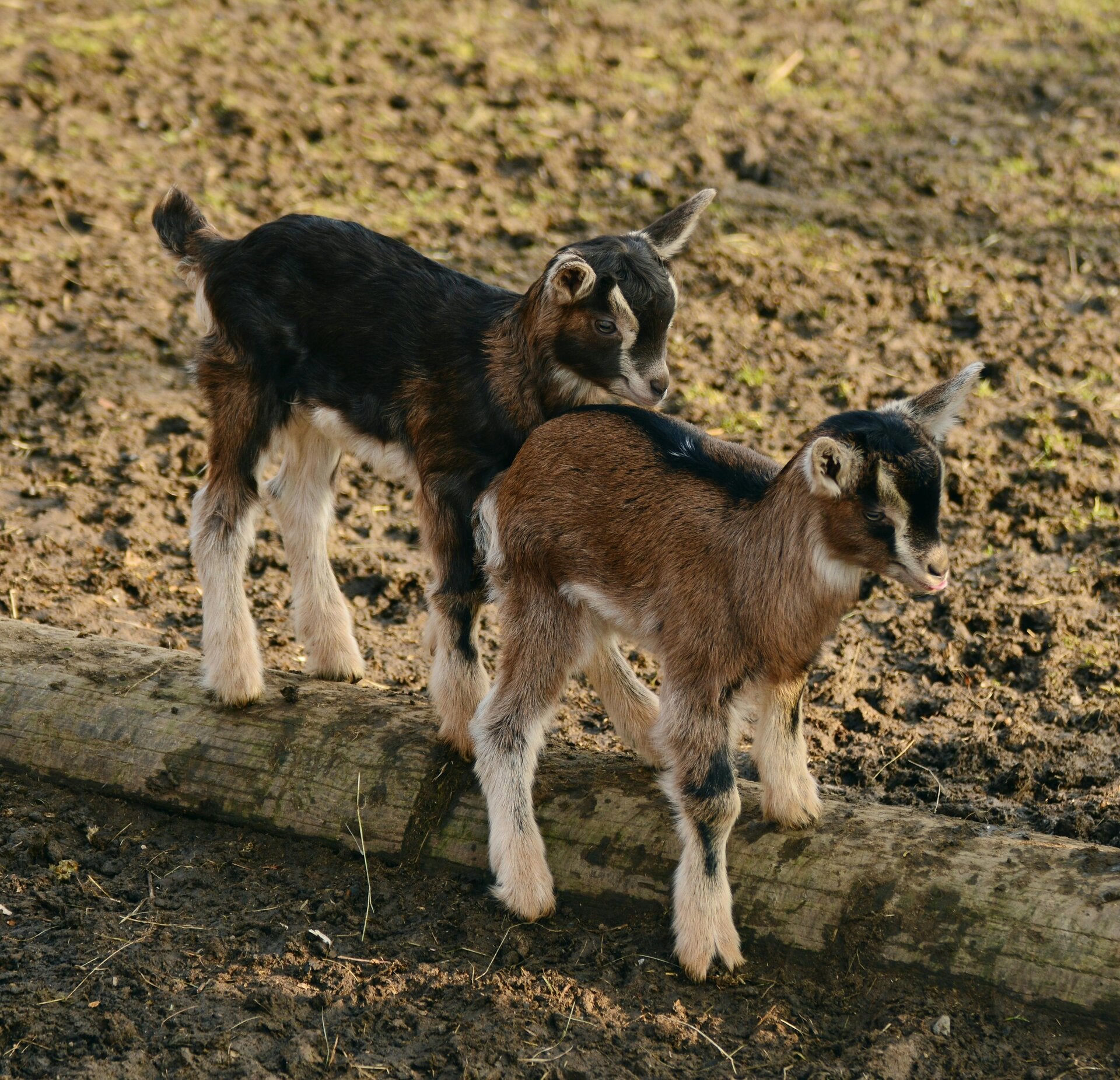
The Nigerian Dwarf is a miniature dairy goat breed of West African origin. Despite their small size, they are true dairy goats—meaning their body structure is essentially a scaled-down version of a large, high-producing milk goat rather than the stocky, heavy-bodied shape of a Pygmy goat. They are incredibly popular on homesteads, small-scale farms, and even as pets due to their manageable size and colorful personalities.
Physical characteristics: They are genuinely small. According to breed standards, adult females (does) should top out around 22.5 inches at the wither (the ridge between the shoulder blades), and adult males (bucks) should be no taller than 23.5 inches. They typically weigh between 60 to 80 pounds. They come in an endless variety of coat colors and patterns, from solid black, gold, or chocolate to complex patterns with white patches (Dalmatian-like spots), buckskin markings, and tri-colors. They are also one of the few goat breeds with distinctive eyes.

Essential care for new Nigerian Dwarf Goat owners
Bringing Nigerian Dwarf goats home is incredibly exciting, but these little dairy animals have a few unique quirks that can catch new owners off guard. If you want to set yourself up for a smooth, stress-free start, these are the most critical realities of Nigerian Dwarf care.
1. Fencing and predators (the "maximum security" rule): Because they are small and highly intelligent, Nigerian Dwarfs require much stricter containment than larger livestock. The fence test: If a tennis ball can bounce through a gap, a baby goat can squeeze through it. Standard 4-inch by 4-inch woven wire (often called "goat and sheep fence") is the gold standard. Do not use standard cattle panels with large 6-inch gaps; young kids will get their heads stuck or walk right through them. Easy targets: Because of their miniature size, they cannot defend themselves. Coyotes, stray neighborhood dogs, and even large birds of prey (for newborns) are major threats. Your fencing needs to keep predators out just as much as it keeps your goats in.
Creating the ideal environment for your Nigerian Dwarf Goats
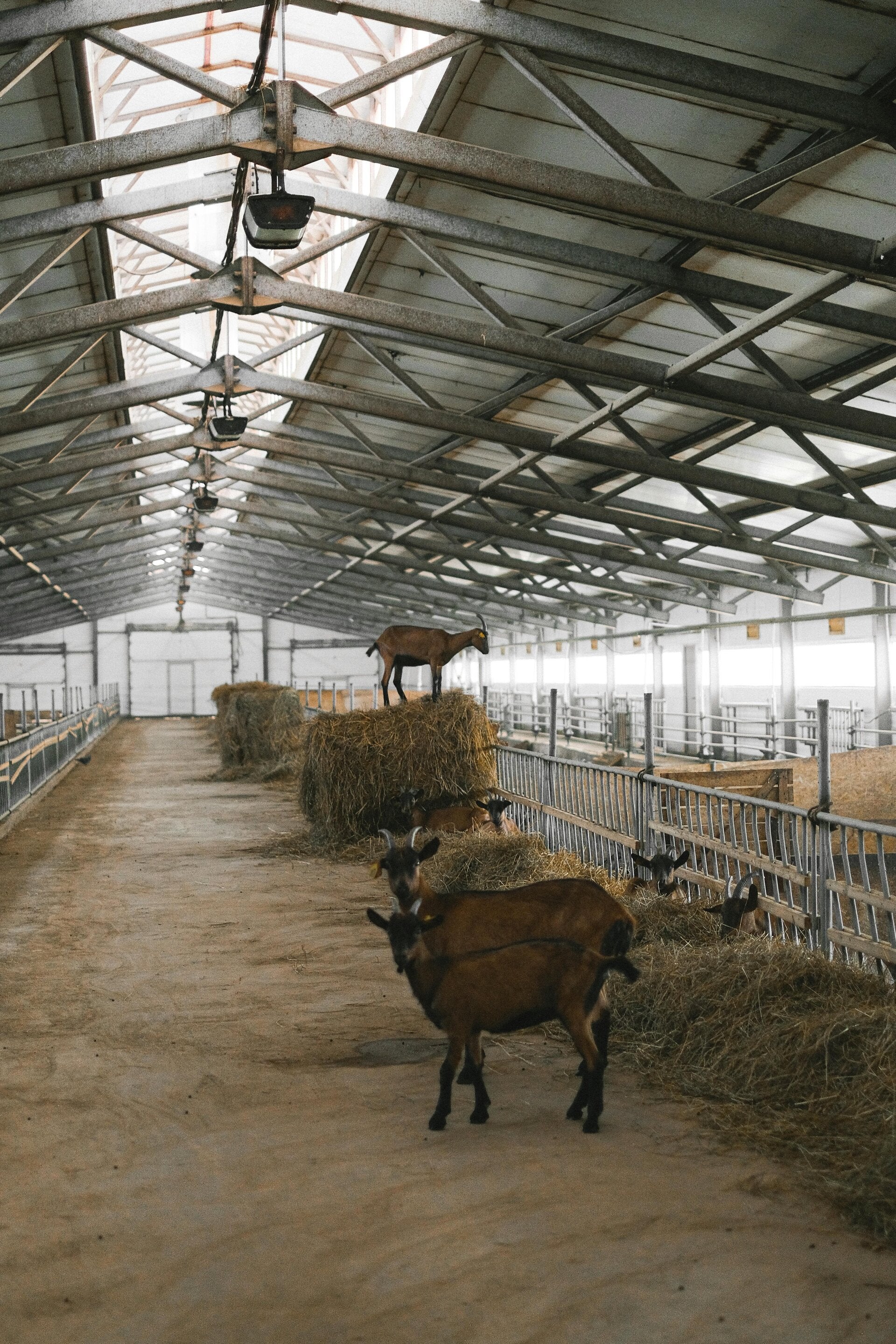
To keep Nigerian Dwarf goats healthy, safe, and entertained, your setup needs to focus on three main things: total security from predators, protection from damp weather, and environmental enrichment. Because they are small and active, a boring or weak setup will quickly lead to escapes or health issues.
Here is the ideal layout for a Nigerian Dwarf environment:
1. Shelter: dry and draft-free: Goats do not have the same natural water-repellent oils in their coats that sheep or cattle do. They absolutely detest getting wet and will sprint for cover at the first drop of rain. Structure: A sturdy, three-sided shed or a well-ventilated barn stall works perfectly. The open side should face away from your area's prevailing winter winds. Space requirements: Budget at least 15 square feet of indoor space per adult goat. If you live in a region with long, harsh winters where they will be stuck inside for days at a time, bump that up to 20–25 square feet. Bedding: Use a thick layer of dry straw.